
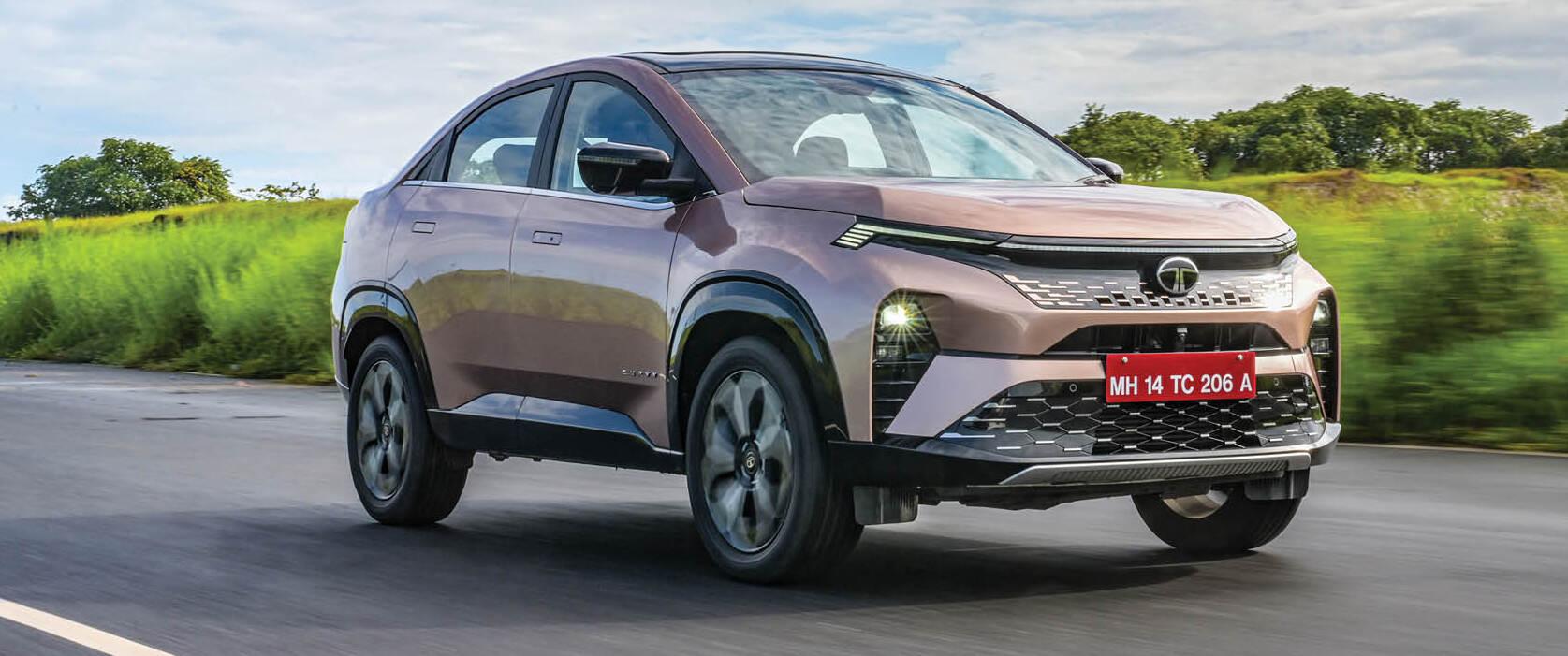
Did you know India aims to achieve a 30% electric vehicle (EV) market share by 2030? However, it seems that the nation will have major difficulties in reaching this ambitious goal as the current EV penetration rate is rising by just 200 basis points (FY 2021-24). This blog explores the present level of EV acceptance in India, the difficulties encountered, and the prospects ahead.
Getting Started with Your Electric Car
When you first sit in an electric car in India, it will be eerily silent. Unlike standard ICE (Internal Combustion Engine) automobiles, EVs seldom create any noise when switched on as they’re powered by electric motors.
Starting Your EV
Rather than twisting a key, most electric automobiles start with a power button. Furthermore, the distinctive dashboard several parameters, one of which is battery level instead of fuel. Fitted with an automatic transmission, the gears are operated by buttons or dials. Most EVs provide a straightforward approach for selecting between Drive, Reverse, Neutral, and Park. The lack of manual gears means that there is no clutch pedal. This makes driving an EV much simpler, particularly in heavy traffic.
Understanding the Controls
Spend some time learning about the unique capabilities of your automobile before you begin driving an EV. Many electric cars in India such as the Tata Nexon EV and Tata Tiago EV include panels displaying current charge and the likely distance (range). These displays are most beneficial in providing better driving efficiency.
Mastering One-Pedal Driving
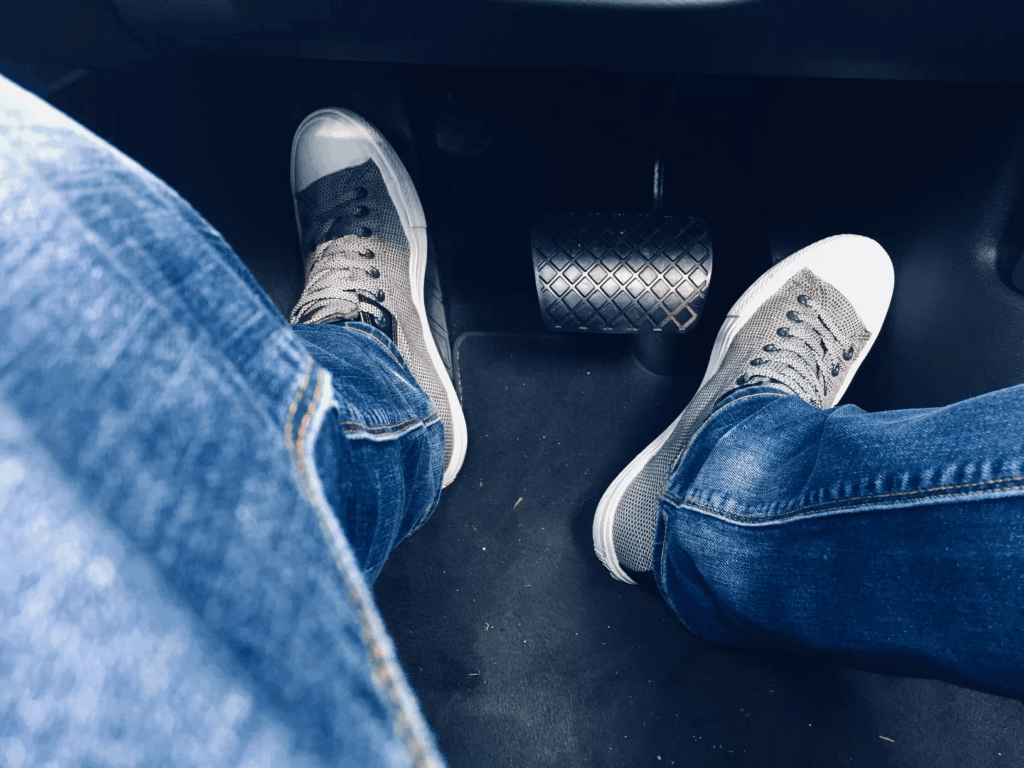
Driving an electric vehicle (EV) has a unique feature: “one-pedal driving.” As the name suggests, this enables the driver to control both acceleration and brakes with one pedal.
How It Works
The automobile advances ahead upon the accelerator push. It slows down much faster than a standard car would when you take your foot off the accelerator. Regenerative braking, a mechanism that stores energy gained when slowing down and returns it into the battery, causes this.
Practicing the Technique
Practice will let you navigate through city traffic while seldom touching the brake pedal. You’ll only need it for abrupt stops. Many Indian EVs such the Hyundai Kona, Tata Nexon EV, and MG ZS EV have this capability. Most electric vehicles allow you to choose the strength of this braking action.
Driving Efficiently to Maximize Range
EV owners must get the greatest distance from every charge. Here’s how to drive effectively:
Smooth Acceleration and Braking
Pressing the pedal in an electric automobile instantly powers it. This makes them feel shockingly quick, particularly from a stop. Until you get acclimated to this fast responsiveness, be light with the accelerator. Try to accelerate gently rather than with quick spurts for the optimum range.
Reading the Road Ahead
Driving to see traffic signals, roundabouts, and early turns requires far forward vision. This guides your usage of regenerative braking and speed adjustments. Just gradually off the accelerator instead of using the brake pedal when you can tell you will soon need to slow down.
Maintaining Steady Speeds
When feasible, try to maintain a constant pace. Steer clear of routinely accelerating and slowing down. Using cruise control helps save battery life and maintains a consistent pace on roadways. When suitable, drive at moderate speeds about 50 to 55 km/h for the optimum range.
Managing Your EV’s Battery Life
Maintaining your battery helps your electric vehicle run better and last longer.
Charging Patterns
Do one full slow charging session to 100% every three quick charging sessions. This maintains your battery’s condition. Aim not to let your battery drop below 10% before charging. Regular charging is crucial; never let your EV go three days without charge.
Temperature Management
To strike the greatest mix of comfort and efficiency, set your air conditioning between 24 and 26 degrees. Overuse of heating or cooling could shorten your range. Use pre-conditioning in your automobile if it has it while it is still plugged in to help to conserve batteries.
Tire Pressure
Check your tire pressure often and maintain it at the recommended level—usually about 32 psi when cold. Properly inflated tires let you travel further on every charge and save energy consumption.
Planning Longer Journeys
Longer journeys in an electric vehicle need for careful preparation.
Finding Charging Stations
Discover charging stations along your path before beginning your adventure. Find charging stations using applications like PlugShare or the app from your vehicle maker. Particularly on important roads like the Delhi-Jaipur highway and the Mumbai-Pune Expressway, India’s charging network is expanding.
Weather Considerations
Recall that in very cold conditions battery range might drop. In the winter, budget less mileage between charges. Try to find shady parking in hot weather to help to keep your battery cooler.
Packing Smart
Keep extraneous stuff out of your automobile. Extra weight limits range; pack only what you will need for your journey.
Special Features in Indian EVs
Many electric cars in India have unique features meant to simplify and maximize driving conditions.
Cruise Mode
Without putting your foot on the accelerator, cars such as the Tata Tiago EV have cruise mode, which helps to maintain a consistent pace on roads. Long drives benefit much from this function, which also helps to conserve battery life.
Multiple Regeneration Modes
Most Indian EVs let you choose degrees of regenerative braking. To optimize energy recovery, choose stronger regeneration for city driving; alternatively, choose milder settings for interstate travel that more resemble a typical automobile.
Connected Car Features
Many electric vehicles have smartphone applications allowing you to monitor battery life, regulate charging, and sometimes pre-cool the car before you get in. These characteristics make EV driving more practical.
Adapting to the Quiet Ride
One has some getting accustomed to the stillness of an electric automobile. You may not know your speed without engine sounds. Till you become used to this calmer driving experience, pay very close attention to your speedometer.
Furthermore not having noise implies passersby may not hear you approaching. In congested places particularly, be extremely cautious and keep an eye out for anyone who could unintentionally wander into the road.
Conclusion
Range anxiety, hefty upfront prices, and poor charging infrastructure are just a few of the major obstacles India’s path towards general EV adoption must negotiate. Strong government assistance via programs such FAME II, PLI schemes, and custom duty reductions will help the nation to overcome these challenges, nevertheless. India might become a worldwide center for electric transportation as the EV industry develops. The industry is poised to promote environmental sustainability and tremendous economic progress in the following years.